Introduction to Aluminum Coil Manufacturing
Aluminum coil manufacturing is a pivotal process in the aluminum industry, serving as a foundational element for various applications across multiple sectors. An aluminum coil factory typically engages in several critical production processes that transform raw aluminum into usable coil products. These processes include casting, rolling, and annealing, each playing a significant role in determining the quality and characteristics of the final product.
The aluminum manufacturing process begins with the extraction of bauxite, which is refined into aluminum oxide, and then smelted to produce aluminum. This aluminum is subsequently cast into slabs or sheets that are suitable for rolling into coils. The rolling process reduces the thickness of aluminum, allowing it to be shaped into coils while maintaining the desired strength and flexibility. Following rolling, the aluminum coils undergo annealing, a heat treatment that enhances their workability and sets them up for various subsequent processing techniques.
As crucial components of the industry, aluminum coil suppliers bridge the gap between manufacturers and end-users, ensuring a steady supply of aluminum coils. They maintain strong relationships with both aluminum coil producers and their customers, which may range from automotive and aerospace industries to construction and packaging sectors. This interconnectivity highlights the importance of aluminum coil manufacturers in the overall supply chain, as they provide vital inputs that facilitate the production of a diverse range of goods.
Through partnerships with various industries, an aluminum coil manufacturer in China, for instance, has the capability to meet specific demands in terms of coil specifications and treatment processes. The ability to produce high-quality aluminum coils efficiently allows these manufacturers to fulfill the varying needs of clients while adhering to quality standards and sustainability practices.
In-Depth Look at the Aluminum Coil Manufacturing Process
The aluminum manufacturing process involves several critical steps that transform raw aluminum into finished coils. Initially, the journey begins with aluminum casting, where aluminum ingots are produced through melting and casting processes. These ingots serve as the primary raw material for the subsequent stages.
Once the ingots are created, the next step is aluminum coil processing, which includes rolling the ingots into thin sheets. This is achieved using hot rolling, where heated ingots are passed through rollers, followed by cold rolling, which further refines the thickness and mechanical properties of the aluminum coil. The reduction in thickness increases its surface area, making it suitable for various applications.
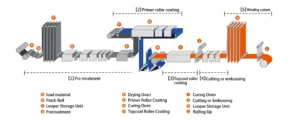
Next, the aluminum coil undergoes surface cleaning and pretreatment. This critical step ensures that any impurities or oxides present on the surface are removed. Typically, chemical solutions or mechanical processes are employed to clean the surface, preparing it for further treatment. This stage is essential as it significantly influences the adhesion of coatings applied later.
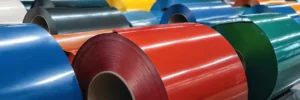
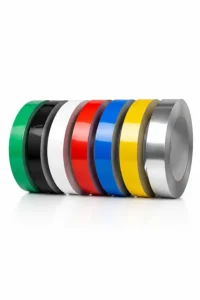
Coating and finishing methods are vital to enhancing the performance and aesthetics of aluminum coils. Various techniques, such as anodizing, painting, or applying polymer films, can be utilized to create a protective layer that improves corrosion resistance and increases visual appeal. These coatings are tailored to meet specific customer requirements, often provided by an aluminum coil supplier or a specialized aluminum coil manufacturer.
Finally, quality inspection procedures are instituted to ensure that the finished aluminum coils adhere to the highest industry standards. This involves rigorous testing for properties such as thickness, width, and surface finish. Such standards not only guarantee the integrity of the product but also build trust with clients looking for reliable aluminum coil manufacturers in China.
Quality Control Standards in Aluminum Coil Production
Quality control is a fundamental component of the aluminum manufacturing process, particularly in the context of aluminum coil production. Ensuring the integrity and consistency of products is paramount for both manufacturers and end users. Various standards and tests are implemented to maintain high-quality output from aluminum coil factories.
One of the first aspects of quality control involves thickness inspection. Aluminum coils must adhere to specified thickness tolerances, as variations can impact the performance of the final product. Advanced measuring equipment is used to ensure that the thickness is consistent throughout the coil, facilitating the reliable application of these materials in industrial use.
Surface quality assessment is another critical aspect of quality control. The surface of the aluminum coil must be free from defects such as scratches, dents, or other imperfections that may affect its aesthetic and functional properties. Regularly scheduled inspections are conducted during the production process to evaluate the surface quality. This extends to checking for any corrosion or oxidation, which can occur if the coils are exposed to adverse conditions.
Moreover, coating adhesion testing is vital when coatings are applied to aluminum surfaces. This ensures that the coatings adhere properly to the metal substrate, enhancing durability and resistance to environmental factors. Employing standardized test methods helps determine the adhesion strength, which is essential for applications where the coated aluminum must withstand wear and tear.
Lastly, color consistency control plays a significant role in the quality of aluminum coils, especially for decorative purposes. The color and finish must be uniform throughout the coil, which is achieved through strict monitoring of the coating process. Control measures include using color spectrophotometers to measure and analyze color, ensuring the product meets the desired specifications.
In conclusion, the rigorous implementation of quality control standards in aluminum coil production not only upholds the reputation of aluminum coil manufacturers in China but also ensures satisfaction for industrial buyers seeking reliable and high-quality aluminum materials.
Practical Applications of Aluminum Coil Products
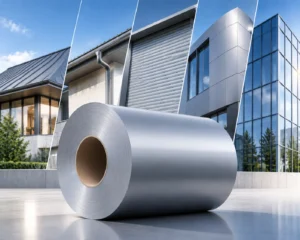
Aluminum coils are prevalent in numerous industries due to their versatility and useful properties. These products are manufactured at aluminum coil factories that ensure compliance with industry standards, making them suitable for various applications. One of the primary uses of aluminum coils is in the production of aluminum panels, which are widely employed in the construction sector. Their lightweight nature, coupled with excellent durability, makes them a preferred choice for both exterior and interior applications.
Additionally, aluminum roofing systems benefit significantly from the use of aluminum coils. These roofing systems provide superior resistance to corrosion and weather conditions, ensuring longevity and maintenance-free performance. The reflective properties of aluminum contribute to energy efficiency, helping to reduce cooling costs in buildings. Furthermore, aluminum coils are integral in the creation of curtain walls, where they play a critical role in enhancing the architectural aesthetics of modern buildings while offering functional benefits such as thermal insulation and protection against harsh weather.
Another notable application of aluminum coils is in gutter systems, where their durability and corrosion resistance are essential for effective water management. Aluminum gutter systems provide a seamless look while ensuring efficient drainage, critical in preventing structural damage during rain or snow. Other building materials, like siding and façade solutions, also utilize aluminum coils, underscoring their importance throughout the construction industry. The aluminum manufacturing process employed by leading aluminum coil suppliers translates into high-quality products that cater to diverse requirements, making aluminum coils a fundamental component in both building and manufacturing sectors.
As industries continue to evolve, the applications for aluminum coil products are expanding, demonstrating their essential role in innovative designs and sustainable construction practices.
Selecting a Reliable Aluminum Coil Manufacturer
When it comes to sourcing aluminum coils, particularly for large-scale industrial applications, choosing the right aluminum coil manufacturer is a pivotal decision. Buyers must assess various factors to ensure they partner with a reliable aluminum coil supplier. One of the foremost considerations is the manufacturer’s production capacity. It is essential to select a facility that can meet your volume requirements consistently, as fluctuating supply levels can impact your production schedules.
Manufacturing experience is another crucial aspect to evaluate. An established aluminum coil factory is likely to have a well-rounded understanding of the aluminum manufacturing process, which encompasses everything from raw material procurement to the intricacies of coil processing. Seasoned manufacturers are generally more adept at handling variances in raw material quality and can deliver products that meet high standards over time.
Furthermore, testing capabilities should not be overlooked. A reputable aluminum coil manufacturer in China ought to possess robust quality control measures, including testing for strength, durability, and conductivity of the aluminum coils. Ensuring that the manufacturer conducts routine assessments will provide peace of mind regarding product integrity.
Lastly, the stability of supply is a significant factor. Understanding the manufacturer’s logistical capabilities and their ability to handle unexpected disruptions can save buyers from potential operational setbacks. Conducting thorough research, including reviews and testimonials from previous clients, can provide insights into a supplier’s dependability.
Key Questions to Ask Before Partnering with an Aluminum Coil Manufacturer
When considering partnerships with an aluminum coil manufacturer, it is imperative for buyers to conduct thorough due diligence. Asking the right questions can reveal critical insights into the aluminum manufacturing process and help ensure that the chosen supplier will meet the specific needs of the project. Below are essential inquiries that should be made prior to entering into an agreement with an aluminum coil supplier.
Firstly, buyers should inquire about the minimum order quantity (MOQ) that the manufacturer requires. Understanding the MOQ will help in planning production schedules and inventory management effectively, particularly for industries with variable demand.
Next, it is crucial to ask about the available specifications for the aluminum coils. Different applications may necessitate specific thickness, width, and alloy types. Confirming that a manufacturer can provide coils that meet these requirements will mitigate the risk of compatibility issues.
Lead time is another critical aspect; buyers should always ask about the typical lead time for orders. Timely delivery can significantly impact production timelines, thus understanding this factor will help in aligning project schedules accordingly.
Additionally, questions regarding customization capabilities should be addressed. Potential partners should be able to accommodate unique specifications or alterations in design and finish as per the buyer’s requirements. This flexibility can be a crucial advantage when dealing with specialized projects.
Finally, discussing certifications and quality assurance practices is vital. Buyers need to ensure that the aluminum coil production adheres to industry standards and regulations. By asking these pertinent questions, buyers can gauge the reliability of the manufacturer and make an informed decision on potential partnerships.