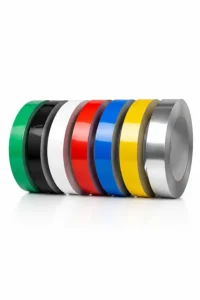
Understanding Aluminum Gutter Coil
Aluminum gutter coil refers to a roll of thin aluminum material that is manufactured specifically for gutter production. This versatile product is widely used in the construction and home improvement industries due to its lightweight, durability, and resistance to corrosion. One of the key reasons for the popularity of aluminum gutter coils is their ability to be customized with various paint finishes, enabling homeowners and builders to match the gutters with the overall aesthetic of the property. The painted gutter coil, typically coated with a high-quality finish, ensures that the gutter system is both functional and visually appealing.
When compared to other materials commonly utilized in gutter manufacturing, such as vinyl or steel, aluminum stands out for several reasons. First and foremost, aluminum gutter material is significantly lighter than steel, making it easier to handle and install. Furthermore, it does not rust, which is a notable concern with steel gutters. Instead, aluminum’s resistance to oxidation and varying weather conditions contributes to its longevity and reduced maintenance needs. Homeowners favor aluminum rain gutter coil not only for its practical benefits but also for the variety of colors available, thanks to the painting process. This allows for an extensive selection to coordinate with the exterior paint and architecture of any building.
Another important aspect to consider is durability. While vinyl can be prone to cracking in extreme temperatures, aluminum exhibits a greater tolerance to temperature fluctuations and environmental changes. Moreover, aluminum coil for gutters can be produced in seamless formats, which helps in minimizing leaks and providing a more streamlined appearance. The efficiency of seamless gutter coil systems adds further appeal to those looking to invest in long-lasting, effective gutter solutions.
In conclusion, the utilization of aluminum gutter roll continues to grow within the industry due to its blend of aesthetic appeal, functionality, and superior performance compared to other gutter manufacturing materials.
Benefits of Aluminum Gutter Coil
Utilizing aluminum gutter coil as a primary construction material offers numerous advantages that make it a popular choice among contractors and builders. One of the most significant benefits of aluminum gutter material is its inherent resistance to corrosion, making it ideal for use in regions with harsh weather conditions. Unlike steel or copper, aluminum does not rust, ensuring longevity and durability even in the face of rain, snowfall, or high humidity.
Additionally, aluminum gutter coil is remarkably lightweight, which facilitates easier handling and installation. This characteristic not only reduces transportation costs but also minimizes the physical strain on workers during the gutter installation process. The lightweight nature of aluminum means that it can be easily transported to job sites and installed without the need for specialized equipment, contributing to a more efficient construction workflow.
An essential aspect of aluminum gutter roll is its excellent forming capabilities. It can be easily shaped and customized to fit a variety of gutter designs and architectural requirements. Manufacturers often prefer aluminum coil for gutters because it allows for seamless construction, which eliminates potential leak points often associated with traditional gutter systems. Seamless gutter coil provides a continuous flow of water, enhancing the effectiveness of rainwater drainage.
Another key benefit of using aluminum rain gutter coil is its long service life. When maintained correctly, aluminum gutters can withstand the test of time, requiring minimal repairs or replacements. Their resilience also means they can handle the expansion and contraction that often occur due to temperature fluctuations.
In conclusion, the advantages of aluminum gutter coil, such as its resistance to corrosion, lightweight nature, superior forming capabilities, and long-lasting durability, make it an exceptional choice for gutter manufacturing material. As a result, it remains a favored option among gutter coil suppliers and those in the construction industry looking to achieve high-quality results in their projects.
Specifications of Aluminum Gutter Coil
When selecting aluminum gutter material, it is essential to understand the specifications that best suit your project needs. Aluminum gutter coils are available in various aluminum alloy options, which can impact their durability and weight. Common alloys used in aluminum gutter manufacturing include 3105 and 5005, known for their excellent corrosion resistance and paint adhesion, which makes them ideal for exterior applications.
Thickness is a crucial specification, as it directly affects the structural integrity and performance of the gutters. Typically, the thickness of aluminum coil for gutters ranges from 0.027 inches to 0.040 inches. The most common thickness utilized in residential applications is 0.032 inches, as it provides a balance between durability and weight. Additionally, the width of the coils often spans from 10 inches to 20 inches, allowing for various gutter designs and styles.
The weight of aluminum coil can vary depending on the alloy and thickness. For example, a standard coil might weigh around 800 to 1,200 pounds per 1,000-foot roll. Proper handling and transportation are vital, as the coils are usually packaged in protective wrapping to safeguard against damage during shipping. Requirements for packaging may also include specific dimensions to ensure compatibility with standard delivery equipment.
Surface options for aluminum gutters come in two primary finishes: painted and mill finish. Painted gutter coils are often preferred for their aesthetic appeal and colors, with numerous options available to match home exteriors. Alternatively, mill finish coils, which have a raw, unfinished look, offer a more economical solution for those who plan to paint on-site. This flexibility in surface options enhances the usability of aluminum gutter stock across various projects.
Applications and Comparisons of Aluminum Gutter Coil
Aluminum gutter coil is widely recognized for its versatility and durability, making it a preferred choice in various applications, especially in the construction of seamless gutter systems. Seamless gutters, which are crafted from continuous lengths of aluminum coil, provide an efficient solution for effective water drainage, minimizing leaks and reducing the likelihood of water damage to buildings. The lightweight nature of aluminum gutter material allows for easier installation while still delivering structural integrity needed for residential and commercial properties.
In addition to seamless gutters, aluminum gutter coil plays a vital role in the creation of downspouts and other drainage components. These components are essential for channeling rainwater away from the foundation of a building, providing protection against soil erosion and foundational damage. Aluminum is also resistant to corrosion, which is paramount for components exposed to moisture. This characteristic enhances the longevity of aluminum gutters, making them a cost-effective solution for homeowners and contractors alike.
When considering aluminum gutter coil, one must also explore the differences between painted gutter coils and mill finish versions. Painted aluminum gutter coils are designed to offer aesthetic advantages; they come in various colors and finishes, enabling effective integration with a building’s architectural design. Furthermore, the paint enhances weather resistance, shielding the aluminum from the elements and reducing maintenance needs over time. In contrast, mill finish aluminum coil presents a more industrial look and may require additional protective coating to improve its durability against the weather.
Ultimately, the choice between painted aluminum gutter coils and their mill finish counterparts will depend on factors such as aesthetic preferences, environmental conditions, and maintenance capabilities. Builders and homeowners alike should consider these elements carefully to select the most appropriate gutter manufacturing material for their specific needs.